
Essential Energy Standards and Design Criteria for Premium Villas in Göteborg
Building a premium villa in Göteborg demands more than aesthetic appeal. It requires a rigorous adherence to energy efficiency standards that ensure long-term comfort and sustainability. According to recent industry data, homes in the Västra Götaland region are increasingly prioritizing thermal performance to combat the damp, coastal climate. This guide outlines the critical design criteria and energy standards necessary for constructing a high-performance home in this specific geographic context.
The Thermal Envelope and Insulation
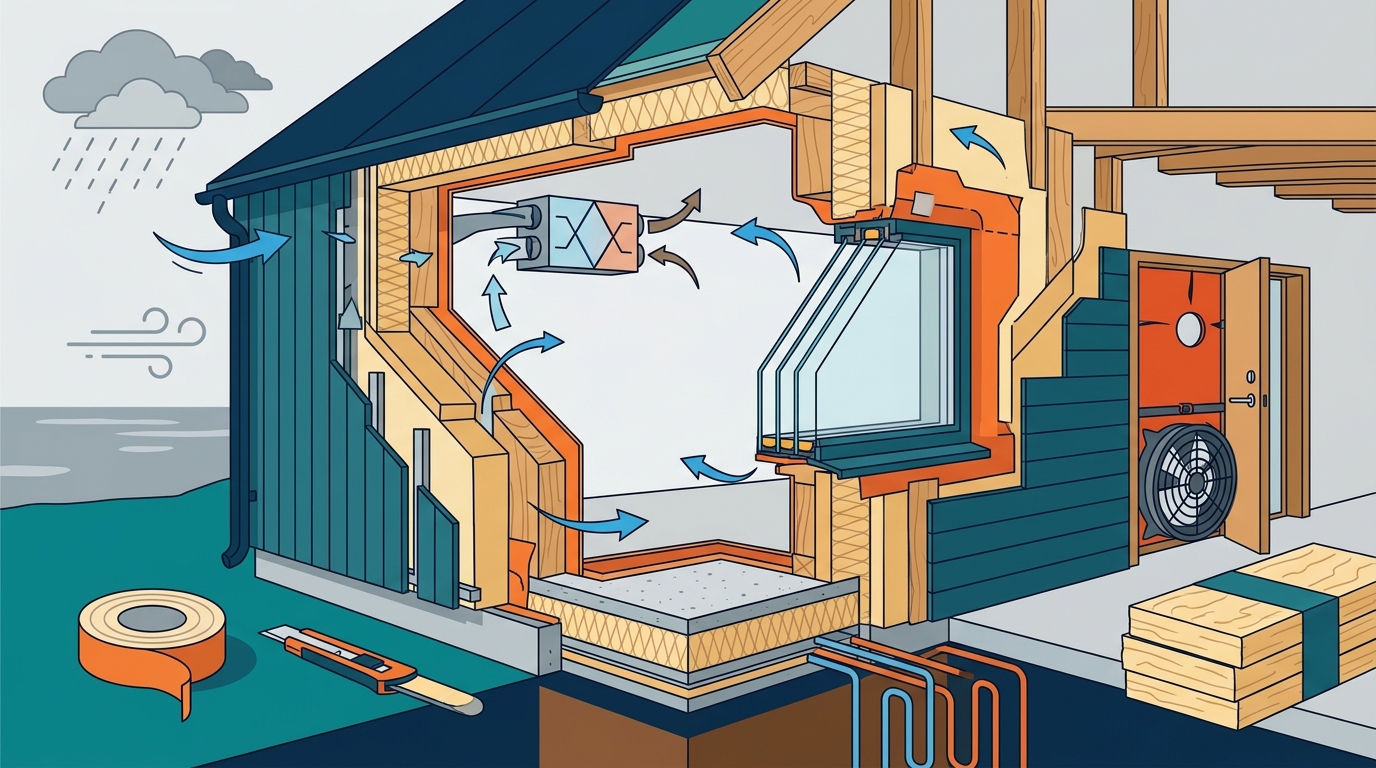
The thermal envelope is the primary barrier between the interior comfort of your home and the external environment. In Göteborg, where humidity levels are high, the integrity of this envelope is paramount. Premium villas typically utilize advanced insulation materials such as mineral wool or specialized wood fiber boards to achieve superior thermal resistance.
Insulation standards in Sweden have evolved significantly. The current building regulations, known as Boverkets byggregler (BBR), set minimum requirements for energy performance. However, premium projects often exceed these standards to achieve passive house criteria or near-zero energy building status. This involves ensuring that the U-values of walls, roofs, and floors are optimized to minimize heat loss.
At MolnlyckeHus, we focus on creating a continuous thermal barrier. This means eliminating thermal bridges, which are points where heat escapes more easily. By using advanced detailing and high-quality materials, we ensure that your home retains heat efficiently during the cold months and stays cool during the summer.
Air Tightness and Ventilation
Air tightness is a critical component of energy efficiency. It refers to the reduction of uncontrolled air leakage through the building envelope. In premium villas, an air tightness level of n50 < 0.6 h-1 is often targeted. This ensures that the heating and cooling systems work efficiently without losing conditioned air to the outside.
However, air tightness must be balanced with adequate ventilation. Ventilation with heat recovery (FTX) is a standard feature in modern Swedish homes. This system extracts stale air from wet rooms and supplies fresh, filtered air to living areas, recovering up to 90% of the heat from the exhaust air.
The combination of a tight envelope and efficient ventilation creates a healthy indoor climate. It prevents mold growth and reduces the risk of sick building syndrome. For more details on our construction process, visit our about page.
Energy Certification and Compliance
Energy certification is a legal requirement for new buildings in Sweden. The energy performance is calculated based on the energy needed for heating, cooling, and hot water, as well as the electricity used by fans and pumps. The result is expressed in kWh per square meter per year.
Premium villas often aim for an energy class of A or B. This not only reduces utility bills but also increases the property value. The certification process involves detailed calculations of the building's energy balance, taking into account orientation, window sizes, and shading.
We provide transparent cost estimates and energy calculations for all our projects. You can see examples of our work in our architect-designed houses section, where energy efficiency is integrated into the design from the start.
Architectural Design Criteria
Designing a premium villa involves balancing aesthetics with technical performance. The orientation of the house is crucial for maximizing solar gain in winter and minimizing it in summer. Large windows facing south can provide natural light and heat, while appropriate shading prevents overheating.
Material selection also plays a significant role. Sustainable materials such as wood, stone, and glass are commonly used. These materials not only offer durability but also contribute to a healthy indoor environment. Our design and budget approach ensures that these choices are made within a realistic financial framework.
Furthermore, the integration of smart home technology allows for precise control of energy usage. Automated systems can adjust heating, lighting, and shading based on occupancy and weather conditions. This level of control is essential for achieving the highest energy standards.
Comparison of Construction Methods
Different construction methods offer varying levels of energy efficiency and customization. Below is a comparison of common methods used in the Göteborg region.
| Method | Energy Efficiency | Customization | Typical Use Case |
|---|---|---|---|
| Prefabricated | High | Medium | Standardized villas with fast construction |
| Architect-Designed | Very High | High | Unique homes with specific energy goals |
| Loose Timber | High | Very High | Custom builds with natural materials |
| Concrete Stone House | High | Medium | Durable homes with thermal mass |
Each method has its advantages. Prefabricated homes offer speed and consistency, while architect-designed homes provide maximum flexibility. Our portfolio showcases projects using various methods to meet different client needs.
Key Takeaways
- Premium villas in Göteborg must exceed standard BBR regulations to achieve optimal energy performance.
- Air tightness and heat recovery ventilation are essential for a healthy and efficient indoor climate.
- Energy certification (Class A or B) significantly increases property value and reduces operational costs.
- Solar orientation and shading are critical design factors for managing heat gain and loss.
- Sustainable material selection contributes to both durability and indoor air quality.
- Smart home integration allows for precise control of energy consumption.
- MolnlyckeHus offers both prefabricated and custom solutions tailored to energy goals.
Frequently Asked Questions
What is the typical energy class for a new villa in Göteborg?
Most new premium villas aim for energy class A or B. This requires careful design of the thermal envelope and efficient heating systems.
How does air tightness affect energy bills?
Higher air tightness reduces heat loss, leading to lower heating costs. It also ensures that ventilation systems work efficiently.
What is the role of FTX ventilation?
FTX systems recover heat from exhaust air and use it to warm incoming fresh air, reducing energy consumption by up to 90%.
Can I customize the energy efficiency of my home?
Yes, you can choose insulation levels, window types, and heating systems to meet specific energy goals. Our contact page can help you plan this.
Are there specific regulations for coastal homes?
Coastal homes require additional protection against moisture and wind. Our projects in the region demonstrate how we address these challenges.
How long does the energy certification process take?
The process typically takes a few weeks and is conducted by a certified energy expert during the design phase.
What is the difference between loose timber and prefabricated?
Loose timber allows for more on-site customization, while prefabricated offers faster construction and consistent quality. Both can achieve high energy standards.
Does MolnlyckeHus offer energy consulting?
Yes, we provide guidance on energy efficiency and sustainability throughout the project. Visit our about page for more information.
Start Your Project
Ready to build a premium villa that meets the highest energy standards? Contact MolnlyckeHus today to discuss your vision and requirements. We will guide you through the process from design to completion, ensuring a home that is both beautiful and efficient.