
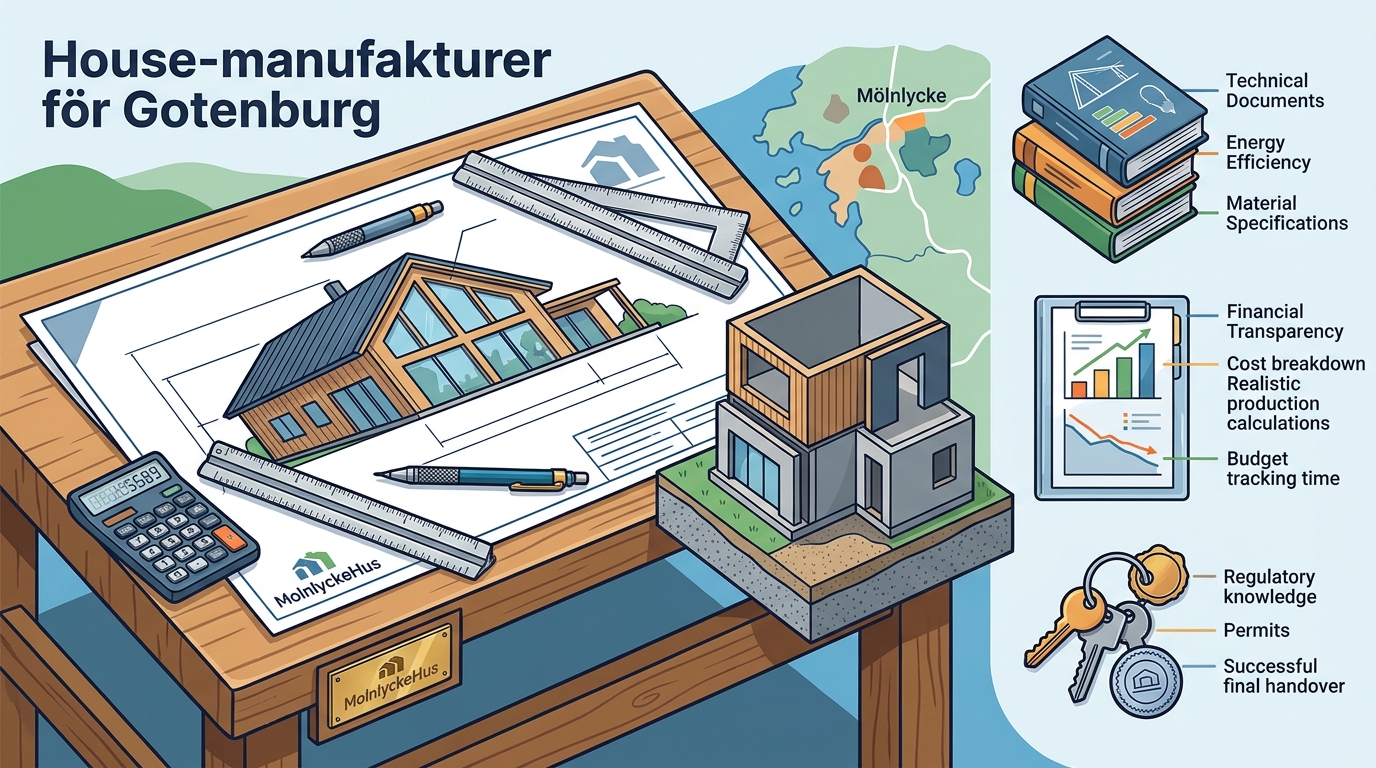
Selecting the right house manufacturer in Gothenburg requires verifying technical competence, financial transparency, and local regulatory knowledge. MolnlyckeHus provides a framework for evaluating these factors to ensure your project succeeds. This guide covers the essential criteria for choosing a builder, from initial design to final handover. For additional details, review the Hustillverkare i G teborg.
How to Choose: Separating Quality from Risk
Design and Technical Integration
Financial Transparency
Financial transparency is a hallmark of a trustworthy manufacturer. They should provide a detailed production calculation that breaks down costs by category. This document serves as the baseline for your budget. If a builder is vague about costs or refuses to provide a detailed breakdown, consider that a significant risk factor.
What to Ask: Critical Questions for Builders
Asking the right questions early on filters out unqualified providers. You need to understand the scope of their responsibility and their approach to problem-solving. Do not accept generic answers; request specific examples from their portfolio.
Scope of Responsibility
Communication and Project Management
Inquire about the frequency of project updates and who your primary point of contact will be. Personal project management is crucial for maintaining trust. Ask how they handle deviations from the plan and who approves changes. Clear communication protocols prevent misunderstandings during the build.
How to Verify: Checking Credentials and Claims
Verification is the step where you confirm that a builder's claims are backed by reality. In Sweden, construction is a regulated industry, but not all companies adhere to the highest standards. You must check their legal status, insurance, and past performance.
Legal and Financial Health
Check the company's registration in the Swedish Companies Register. Verify that they have the necessary insurance for construction work. A financially stable company is less likely to abandon a project or cut corners to save money. Look for a history of completed projects in your area.
References and Portfolio
Request references from recent clients, specifically those with similar project types. Contact these references to ask about the builder's reliability and quality of work. Visit completed houses if possible to inspect the finish and craftsmanship. This direct observation is more valuable than any marketing material.
How It Works: The Construction Process
Understanding the construction timeline helps you manage expectations. The process typically moves from design to production, then to on-site assembly and finishing. Each phase has specific milestones and decision points.
Design and Permit Phase
This phase involves creating architectural drawings and applying for building permits. The duration depends on the complexity of the design and local planning regulations. A good manufacturer will handle the permit application to ensure compliance with local zoning laws.
Production and Assembly
What It Costs: Drivers of Construction Price
Design Complexity
Material and Finish Levels
The choice of materials significantly impacts the final price. Premium finishes, high-efficiency insulation, and advanced heating systems increase the initial cost but can reduce long-term energy bills. Decide on your finish level early to avoid budget overruns.
What Goes Wrong: Common Mistakes to Avoid
Many projects face delays or budget overruns due to early-stage errors. Avoiding these common pitfalls can save you time and money. The most frequent mistakes involve underestimating site work and poor communication.
Underestimating Site Preparation
Poor Communication
Lack of clear communication between the client and the builder leads to misunderstandings. Establish a clear protocol for decision-making and change orders. Regular meetings and written confirmations of decisions prevent disputes.
Versus Alternatives: Total Contract vs. Self-Management
You have two main options: hiring a total contractor or managing the project yourself. Each approach has distinct advantages and risks. The choice depends on your time, expertise, and risk tolerance.
| Factor | Total Contract (e.g., MolnlyckeHus) | Self-Managed Project |
|---|---|---|
| Responsibility | Builder handles all aspects | Client manages subcontractors |
| Cost Control | Fixed or detailed estimate | Variable, requires constant monitoring |
| Time Commitment | Lower for client | High for client |
| Risk | Builder bears execution risk | Client bears execution risk |
For a Specific Situation: Custom vs. Standard
Plot Constraints
If your plot has specific constraints, such as steep slopes or limited space, a custom design is often necessary. The builder must adapt the design to the terrain. This requires a manufacturer with strong technical capabilities in site-specific design.
Lifestyle Needs
Consider your long-term lifestyle needs. Do you need a home office, accessible living, or specific outdoor spaces? A custom design can incorporate these features seamlessly. Standard models may require costly modifications to meet these needs.
Rules and Protections: Legal Rights in Sweden
Swedish law provides specific protections for consumers in construction projects. Understanding these rights helps you navigate disputes and ensure quality. The main protections relate to warranty and liability.
Warranty Periods
Liability and Insurance
The builder is liable for defects caused by their work. They must have liability insurance to cover potential damages. Verify that the insurance is in place before construction begins. This protects you from financial loss if defects are discovered.
Local Specifics: Gothenburg and Västra Götaland
Building in Gothenburg and Västra Götaland involves specific local regulations and conditions. Local knowledge is crucial for a smooth project. The climate, soil, and planning rules in this region affect design and construction.
Climate and Energy Efficiency
The coastal climate in Gothenburg requires robust insulation and moisture management. Energy efficiency is a key focus, with strict standards for new builds. A local manufacturer will design for these conditions, ensuring comfort and low energy costs.
Planning and Zoning
Local planning regulations vary by municipality. Some areas have strict rules on building height, footprint, and aesthetics. A manufacturer familiar with local planning processes can navigate these rules effectively. This knowledge prevents permit delays and design rework.
Timing: When to Start Your Project
Timing your project can impact costs and availability. Starting early in the year often allows for better scheduling and potentially lower costs. However, permit processing times can vary, so plan accordingly.
Seasonal Considerations
Construction activity is higher in spring and summer. Starting in winter may allow for design and permit work, with construction beginning in spring. This aligns with optimal weather conditions for on-site work. Plan your timeline to minimize weather-related delays.
Market Conditions
Results Over Time: Long-Term Value
Energy Performance
High energy efficiency reduces long-term operating costs. Modern building techniques and materials can significantly lower heating and cooling needs. This not only saves money but also reduces your environmental impact. Choose a builder that prioritizes energy performance in their designs.
Maintenance and Durability
Durable materials and quality workmanship reduce the need for frequent repairs. This lowers long-term maintenance costs and extends the life of the house. A premium manufacturer will use high-quality materials and enforce strict quality control during construction.
Key Takeaways
- Verify the builder's financial health and insurance before signing a contract.
- Request a detailed production calculation to understand cost drivers.
- Choose a total contract if you want to minimize your management burden.
- Consider local climate and planning rules in your design decisions.
- Start the design and permit process early to avoid delays.
- Focus on energy efficiency for long-term cost savings.
- Check references and visit completed projects to assess quality.
- Ensure clear communication protocols are established from the start.
Frequently Asked Questions
How long does it take to build a custom house in Gothenburg?
The timeline typically ranges from 12 to 18 months, including design, permits, and construction. The exact duration depends on the complexity of the design and local permit processing times.
What is a total contract in construction?
How much does a custom house cost in Sweden?
Costs vary widely based on size, design, and finishes. A detailed production calculation from the builder provides the most accurate estimate for your specific project.
Can I change the design after construction starts?
Changes after construction starts are costly and can cause delays. It is best to finalize the design during the pre-construction phase. Any changes should be approved in writing with a clear cost impact.
What warranty do I get on a new house?
How do I verify a builder's credentials?
Check their registration in the Swedish Companies Register, verify their insurance, and contact recent clients for references. Visiting completed projects is also a valuable verification step.
Is it better to build in winter or summer?
Winter is ideal for design and permit work, while spring and summer are best for on-site construction. Starting in winter allows you to be ready for optimal construction weather.